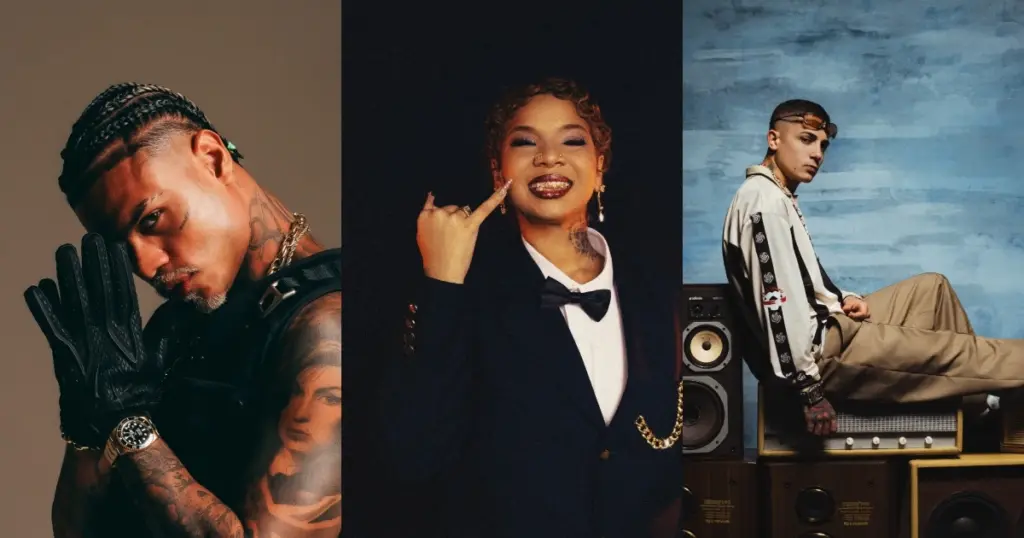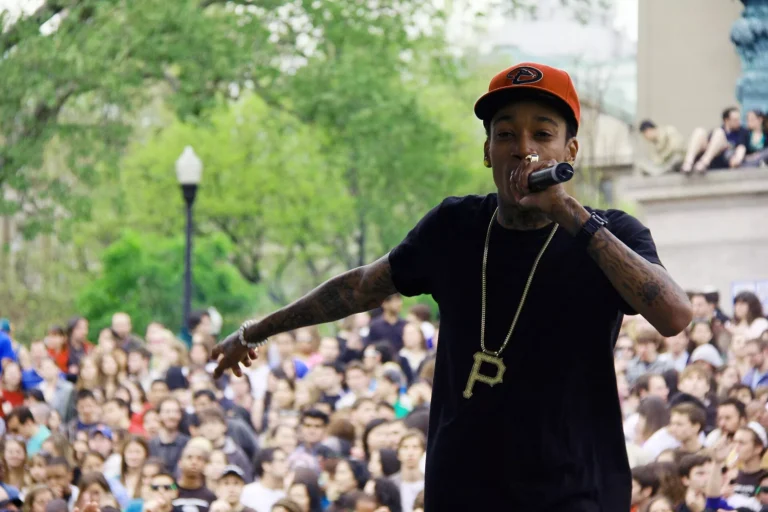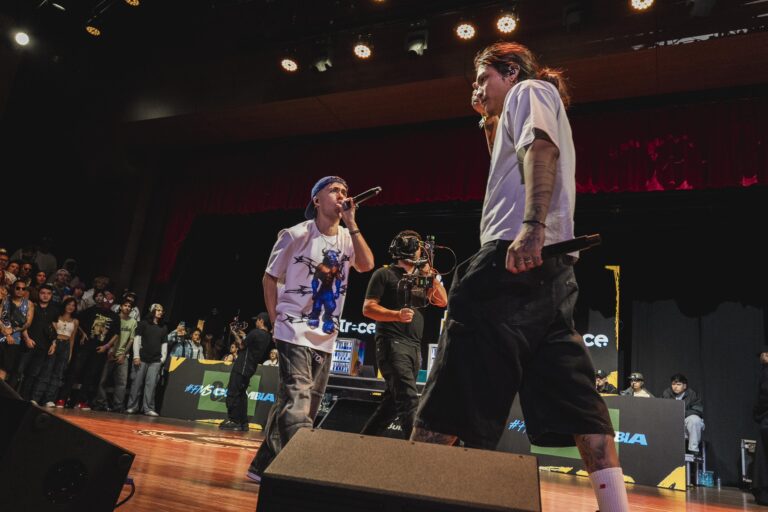
The first week of March showcased the growing influence of hip-hop collectives and collaborative projects across Colombia. Rather than working solely as individual artists, many rappers formed groups, shared studio sessions, and released collaborative tracks to amplify their presence. This trend demonstrates that unity and shared creativity are becoming central to the country’s hip-hop culture.
These collectives are not just musical collaborations—they are cultural networks that help emerging artists learn, experiment, and connect with audiences more effectively. Early March proved that the strength of Colombian hip-hop is increasingly tied to community and cooperation.
Medellín’s Collectives Strengthen Local Scenes
In Medellín, early March highlighted several independent hip-hop collectives that organized collaborative releases and cyphers. These groups often blend members from different neighborhoods, ensuring that local talent gets exposure beyond their immediate area.
Collaborative tracks released this week emphasized shared storytelling, highlighting the social and cultural realities of Medellín’s neighborhoods. By combining diverse voices, these collectives provide richer perspectives and more engaging content for listeners.
Additionally, collaborative projects allow members to divide responsibilities—beat-making, video production, and social media promotion—helping them maintain a consistent presence without relying on major labels or external management.
Bogotá: Collaborative Storytelling and Cypher Networks
In Bogotá, collectives play a major role in nurturing lyrical talent. During the first week of March, several groups released tracks that showcased multiple emerging voices on a single project, creating a dynamic and layered sound.
Cypher networks in Bogotá also facilitated collaboration by providing a space for rappers to test verses, exchange feedback, and refine skills collectively. These sessions often lead to joint recordings and projects that combine complementary styles.
This approach ensures that new talent receives guidance while contributing to creative projects that benefit the broader scene, rather than focusing solely on individual recognition.
Cali’s Collective Energy and Performance Integration
In Cali, hip-hop collectives emphasize performance as much as recorded music. Collaborative events often include live performances, dance, and visual elements, highlighting Cali’s tradition of movement-based hip-hop.
During the first week of March, collective performances brought together rappers, dancers, and visual artists, creating shows that engaged audiences on multiple levels. These collaborations highlight the city’s focus on energy and stage presence while providing emerging artists with mentorship and exposure.
Collective energy in Cali is a defining feature, blending rhythm, movement, and performance with lyrical skill to produce an engaging cultural experience.
Digital Collaboration and Online Presence
Across Colombia, digital platforms amplified the impact of collaborative projects. Social media, streaming services, and short-form video apps allowed collectives to reach broader audiences with shared releases, freestyles, and studio content.
Many groups uploaded behind-the-scenes videos and performance clips, giving fans a glimpse into the creative process. These digital moments also helped emerging members of the collectives gain recognition alongside more established artists.
Collaborative online engagement strengthens the scene by encouraging mutual support, shared visibility, and increased community interaction.
Cross-City Collaboration Expands Reach
One of the most notable trends during the first week of March was cross-city collaboration. Artists from Medellín, Bogotá, and Cali worked together on joint tracks, cyphers, and digital content, blending regional influences into cohesive projects.
These cross-city projects demonstrate that Colombian hip-hop is moving beyond local boundaries. By merging styles and perspectives, artists are creating content that resonates nationally while maintaining authenticity to their home cities.
Collaborative projects also provide emerging artists with opportunities to tap into established fanbases, increasing exposure and creating a networked culture that benefits everyone involved.
Why Collectives Matter in Early March
The first week of March illustrates that hip-hop collectives and collaborative projects are essential for cultural growth. Collectives provide mentorship, support, and creative synergy, allowing emerging artists to develop their craft while gaining audience attention.
By fostering community, shared resources, and creative experimentation, collectives help ensure that Colombian hip-hop remains vibrant, authentic, and sustainable. This approach also reduces the dependence on commercial labels and mainstream infrastructure, preserving cultural integrity while promoting growth.
Looking Ahead
As March progresses, many of these collectives are expected to release more collaborative tracks, organize live events, and share additional content online. The first week’s activity indicates that collective-driven momentum will play a key role in defining Colombia’s hip-hop landscape this month.
Emerging artists participating in these groups are not just gaining experience—they are helping to shape the sound, energy, and cultural identity of the scene. Collaboration, mentorship, and shared creativity are proving to be some of the most powerful forces driving Colombian hip-hop forward.
About the Author