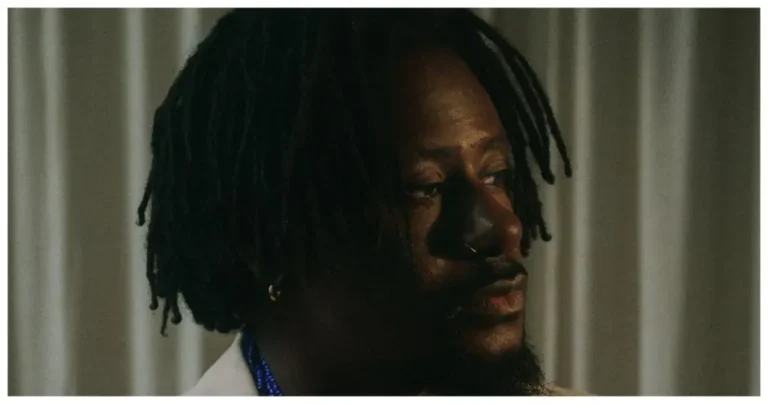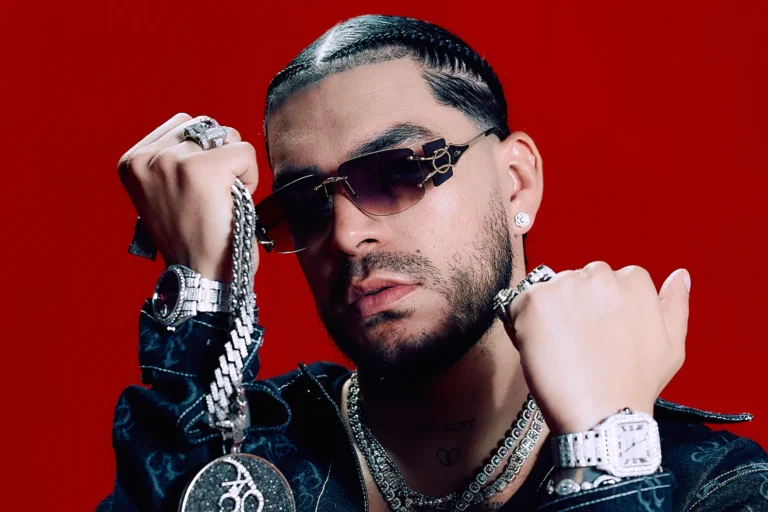
The first week of March continued to highlight the strength of Colombia’s independent hip-hop ecosystem. While major industry announcements remained relatively quiet, artists across the country focused on releasing music independently, refining their sound, and strengthening their connection with local audiences. These releases reflected the growing confidence of artists who no longer rely on traditional industry structures to reach listeners.
From home studios to collaborative creative spaces, independent artists used the beginning of March to showcase their creativity and maintain the steady momentum that has defined the scene in recent months.
Independent Artists Taking the Lead
In Medellín, independent rappers continued to dominate the conversation during the first week of March. Many artists released singles without major promotional campaigns, relying instead on direct sharing through social media and grassroots networks.
These tracks often emphasized personal storytelling and reflection. Lyrics explored themes such as ambition, perseverance, and the realities of navigating creative life. Production styles remained diverse, ranging from atmospheric beats to more traditional boom-bap influences.
The independence of these releases allows artists to experiment freely, developing distinctive sounds that represent their individual experiences and communities.
Bogotá’s Underground Consistency
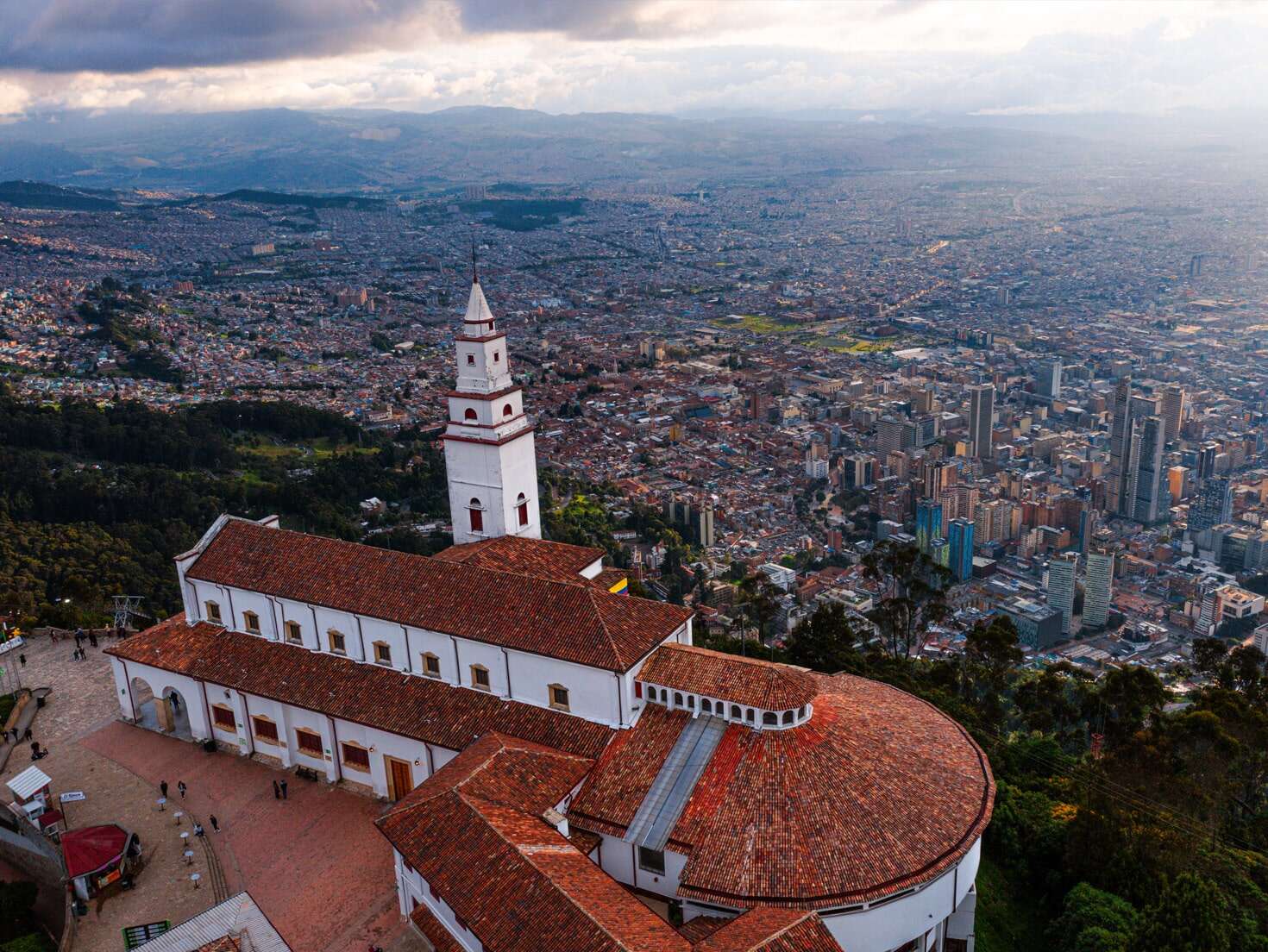
The capital, Bogotá, continued to demonstrate the strength of its underground rap community. During the first week of March, several artists quietly released tracks that focused on lyrical depth rather than mainstream appeal.
These releases often emerged through collaborative platforms and independent labels that prioritize artistic control. Many tracks featured extended verses and complex rhyme structures, reflecting Bogotá’s reputation for lyric-driven hip-hop.
Freestyle sessions and studio collaborations throughout the week also hinted at upcoming group projects, suggesting that the underground community remains tightly connected and creatively active.
Cali’s Blend of Tradition and Innovation
In Cali, independent artists continued to experiment with sound and rhythm. Some rappers incorporated elements of Afro-Colombian percussion, creating beats that felt rooted in local culture while still embracing modern hip-hop structures.
These releases often featured melodic hooks, rhythmic flows, and energetic production that translated well into live performance settings. By blending cultural influences with contemporary rap techniques, artists in Cali demonstrated how regional identity continues to shape Colombia’s evolving hip-hop sound.
This willingness to experiment keeps the scene dynamic and prevents it from becoming stylistically stagnant.
Home Studios and Creative Autonomy
Another defining feature of the first week of March was the increasing reliance on home studios and independent production setups. Advances in recording technology have made it easier for artists to produce professional-quality music without expensive studio sessions.
Producers working from home studios collaborated closely with rappers, shaping beats that reflected each artist’s unique style. These setups encourage experimentation and allow musicians to refine tracks at their own pace before releasing them publicly.
The result is a steady flow of new music that reflects genuine artistic development rather than rushed commercial output.
Digital Distribution Expanding Reach
Digital distribution platforms continue to play a crucial role in the success of independent Colombian hip-hop. Artists now have the ability to release music globally without intermediaries, ensuring that their work reaches listeners both locally and internationally.
During the first week of March, several independent releases gained attention through streaming playlists, social media shares, and online discussions. This organic discovery process highlights the importance of community engagement in the digital era.
Independent artists who combine strong music with consistent online presence often find themselves gaining recognition beyond their immediate circles.
Collaboration Without Industry Pressure
The absence of major label pressure also allows independent artists to collaborate more freely. During the first week of March, many rappers appeared on each other’s tracks, participated in cyphers, or shared studio sessions.
These collaborations help artists expand their audiences while strengthening the national hip-hop network. By working together rather than competing for limited industry attention, independent musicians are building a more supportive and interconnected scene.
A Culture Built on Independence
The continued success of independent releases during the first week of March reinforces an important truth about Colombian hip-hop: the culture thrives when artists maintain creative control. Independence allows musicians to experiment, express authentic experiences, and grow organically.
While mainstream recognition may come later for some artists, the foundation being built through independent work ensures that the culture remains rooted in genuine creativity.
Looking Ahead
As March progresses, many of the independent artists who released music during the first week are expected to follow up with visuals, collaborative projects, and live performances. The groundwork established early in the month suggests that Colombia’s hip-hop scene will remain highly active in the weeks ahead.
Independent momentum continues to push the culture forward. The first week of March proved that Colombian hip-hop does not rely on large industry structures to stay vibrant—it grows from the creativity and determination of the artists themselves.
About the Author