By Eli Jesse
Slug: hip-hop-in-bogota-impact-on-culture-and-community
Meta Description: Discover how hip-hop in Bogotá is reshaping the city’s identity, empowering youth, and uniting communities through music, dance, and social activism.
Tags: Bogotá hip-hop, Colombian rap, street culture, urban music, community empowerment, Latin hip-hop
Keywords: hip-hop Bogotá, Colombian rap, Bogotá street culture, hip-hop movement Colombia, Bogotá artists, urban music Bogotá
The Beat of Bogotá: Where Hip-Hop Lives and Breathes 🎤
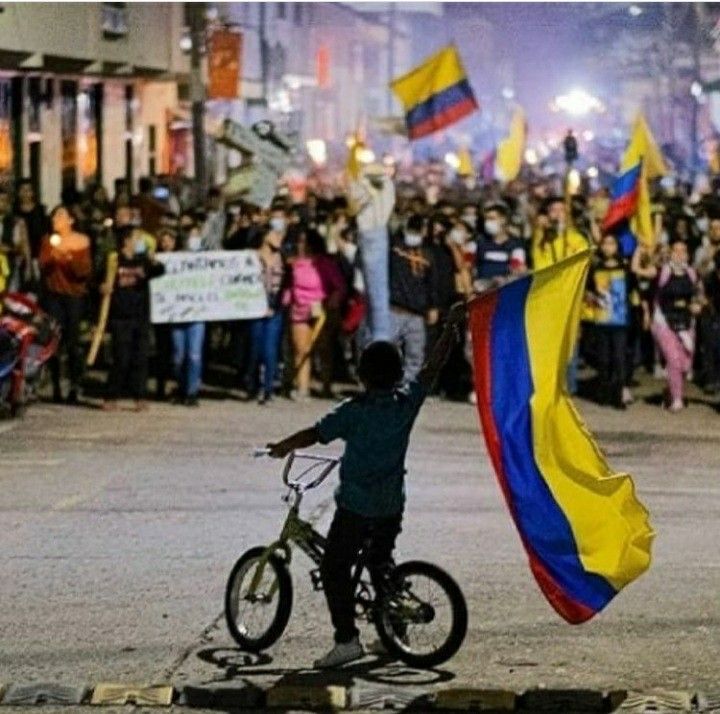
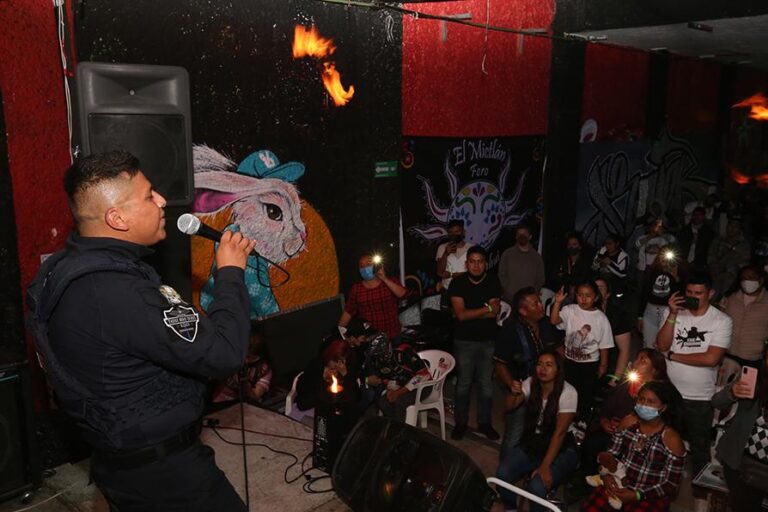
Walk through the streets of Bogotá, and you’ll hear it — the rhythm that bounces off the walls of Suba, Kennedy, and Engativá. It’s not just a sound; it’s a pulse. A mix of passion, protest, and poetry — the voice of a city in motion.
Hip-hop in Bogotá isn’t imported — it’s reborn. What started as a cultural import from New York’s Bronx decades ago has evolved into a deeply Colombian expression. Here, hip-hop isn’t just about rhymes; it’s about resistance, storytelling, and community healing.
A Movement Rooted in Struggle and Hope
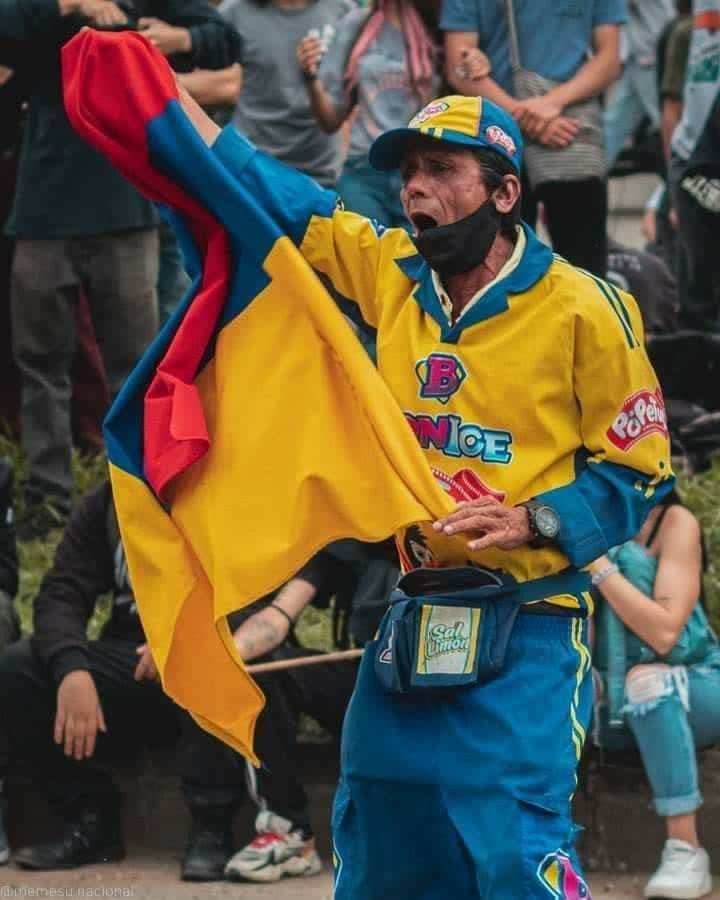
The hip-hop scene in Bogotá found its footing in the late 1980s and early 1990s, at a time when Colombia was struggling through violence and inequality. For the city’s youth, especially those from marginalized neighborhoods, hip-hop became more than music — it was a survival tool.
Artists began using rap and graffiti to voice their frustrations and dreams, tackling social issues like poverty, corruption, and discrimination. Crews like Gotas de Rap, Alcolirykoz, and Tres Coronas laid the groundwork for what would later become a vibrant, multifaceted culture.
As the years rolled on, Bogotá’s hip-hop evolved into something more profound — a bridge connecting divided communities through beats, breakdance, and raw emotion.
The Four Elements of Change
Bogotá’s hip-hop isn’t just about rap — it’s about balance between all four elements:
- MCing (rapping)
- DJing (music production)
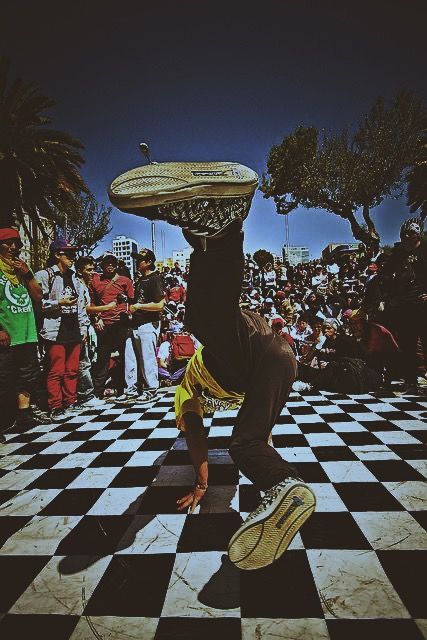
- B-boying/B-girling (breakdance)
- Graffiti (visual expression)
Together, they form a culture that transforms public spaces into creative stages. In barrios like Ciudad Bolívar, young people have turned abandoned lots into open-air dance arenas and graffiti walls into living art galleries.
It’s more than art — it’s activism in color and rhythm.
Community Over Competition
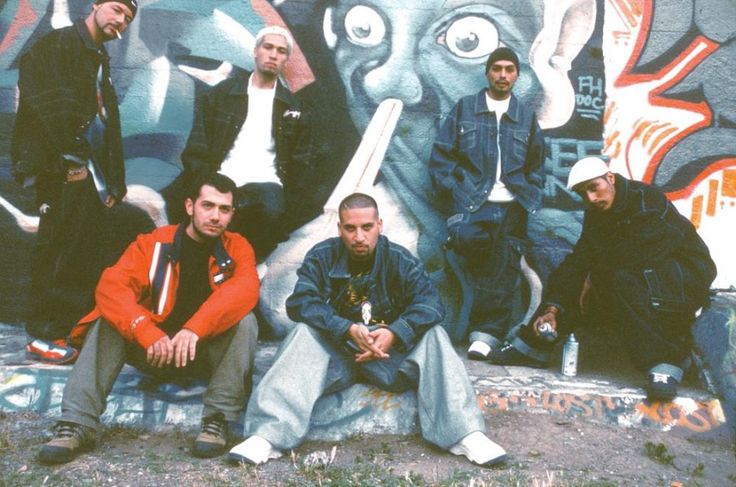
While competition exists (and sometimes fuels the best bars), Bogotá’s hip-hop community has always prioritized unity and education. Many local collectives organize free workshops teaching rap writing, beat-making, and dance, especially for at-risk youth.
Programs like Hip Hop al Parque — Latin America’s largest free hip-hop festival — have become safe spaces for expression, learning, and pride. Every year, the event brings together thousands of fans, local legends, and global stars, proving that Bogotá is no longer following the world — it’s leading it.
Beyond the festival, smaller community movements like Cultura Hip Hop Kennedy, Escuela de Hip Hop Suba, and Graffiti Kings Colombia continue to mentor the next generation. These groups don’t just teach art; they teach identity, discipline, and hope.
Women Changing the Mic Game 🎙️
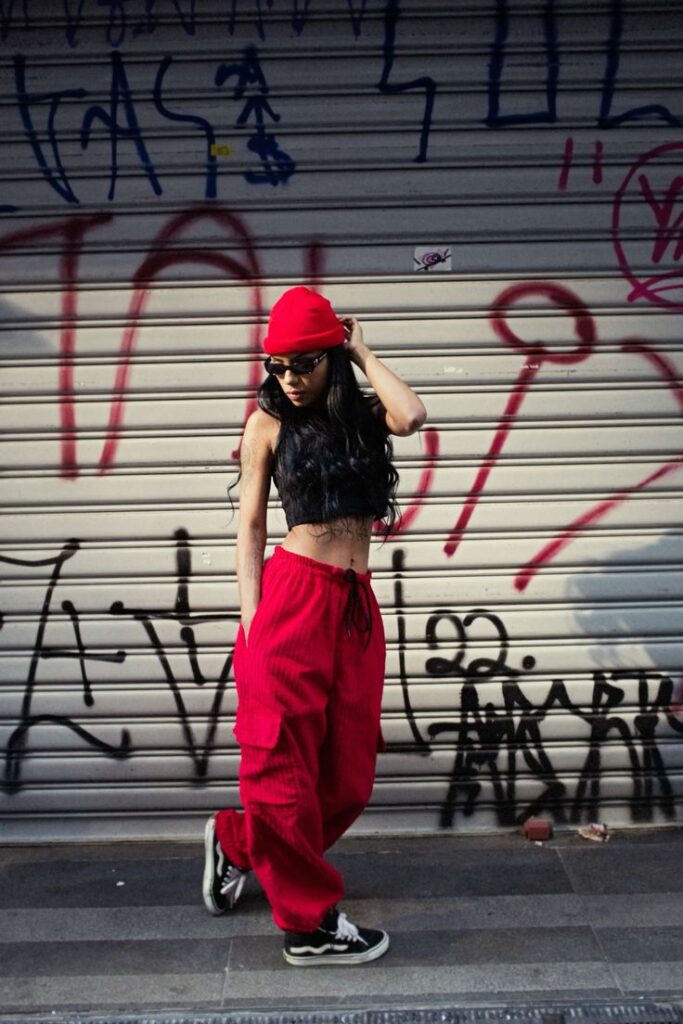
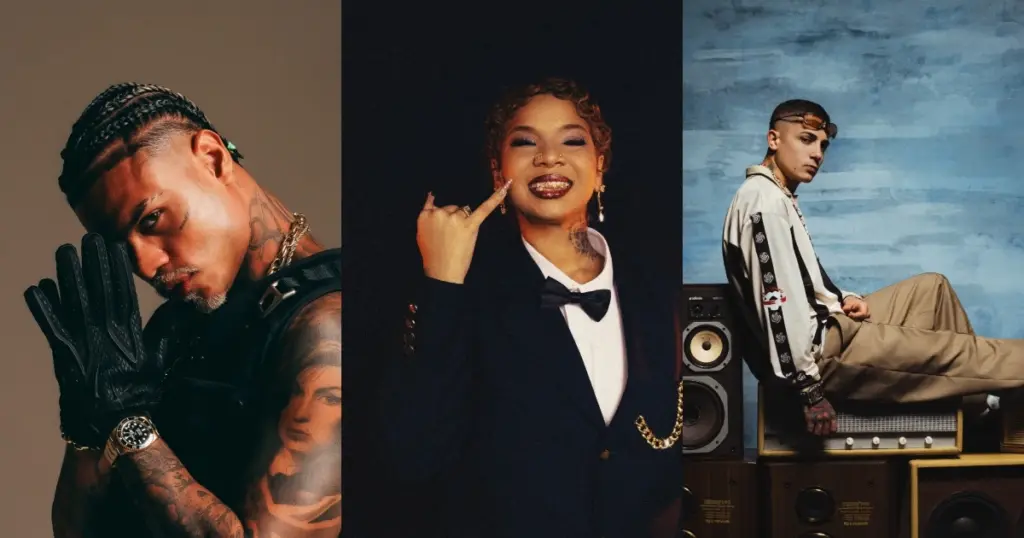
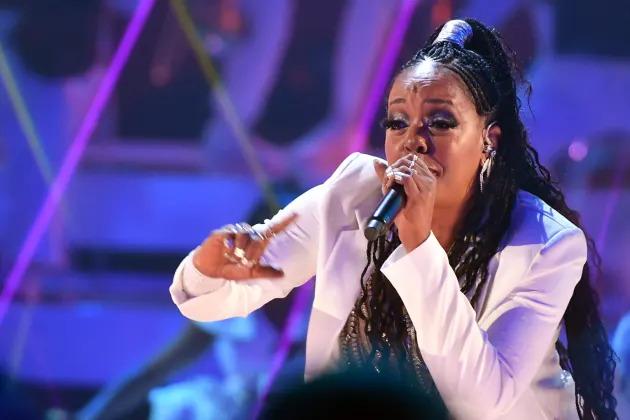
Hip-hop in Bogotá has also seen a powerful rise in female voices. For too long, the scene was male-dominated — but not anymore. Artists like Lianna, Diana Avella, and Mabiland have flipped the narrative, bringing raw emotion, sharp lyricism, and fearless activism to the stage.
Their music challenges gender norms, tackles domestic violence, and speaks to the daily realities of Colombian women. Through hip-hop, they’ve created new lanes for expression — proving that empowerment doesn’t always come from politics; sometimes, it comes from poetry.
Hip-Hop as Social Therapy
Bogotá’s hip-hop culture has done something politicians couldn’t — it has created peace in the streets.
From community centers to correctional facilities, hip-hop has been used as a therapeutic tool for healing trauma and channeling aggression into creativity. Youth programs now use rap sessions as part of emotional therapy, helping participants find purpose and voice.
One standout initiative is “Rap para la Paz” (Rap for Peace) — a project that connects artists with vulnerable communities, encouraging them to transform pain into rhythm. It’s not about fame; it’s about freedom.
Graffiti: The City’s Unofficial Newspaper 🖌️
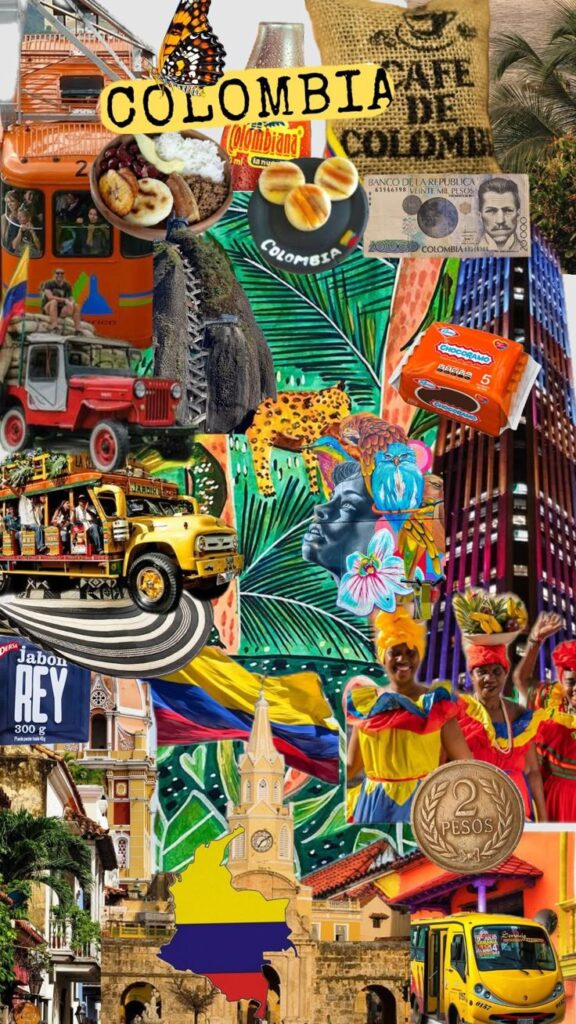
If rap is the voice of Bogotá, graffiti is its face. From downtown walls to TransMilenio stations, murals tell stories of resistance, beauty, and pride.
Bogotá’s graffiti culture is globally recognized — artists like Guache, Ledania, and Toxicómano Callejero have gained international attention for their bold, socially conscious work.
Each mural is a statement — about inequality, dreams, and the rhythm of the people. What was once criminalized is now celebrated as urban heritage. The city has even implemented laws protecting graffiti as a form of artistic expression.
It’s a powerful reminder that in Bogotá, rebellion can also be beautiful.
Hip-Hop and Technology: A Digital Revolution
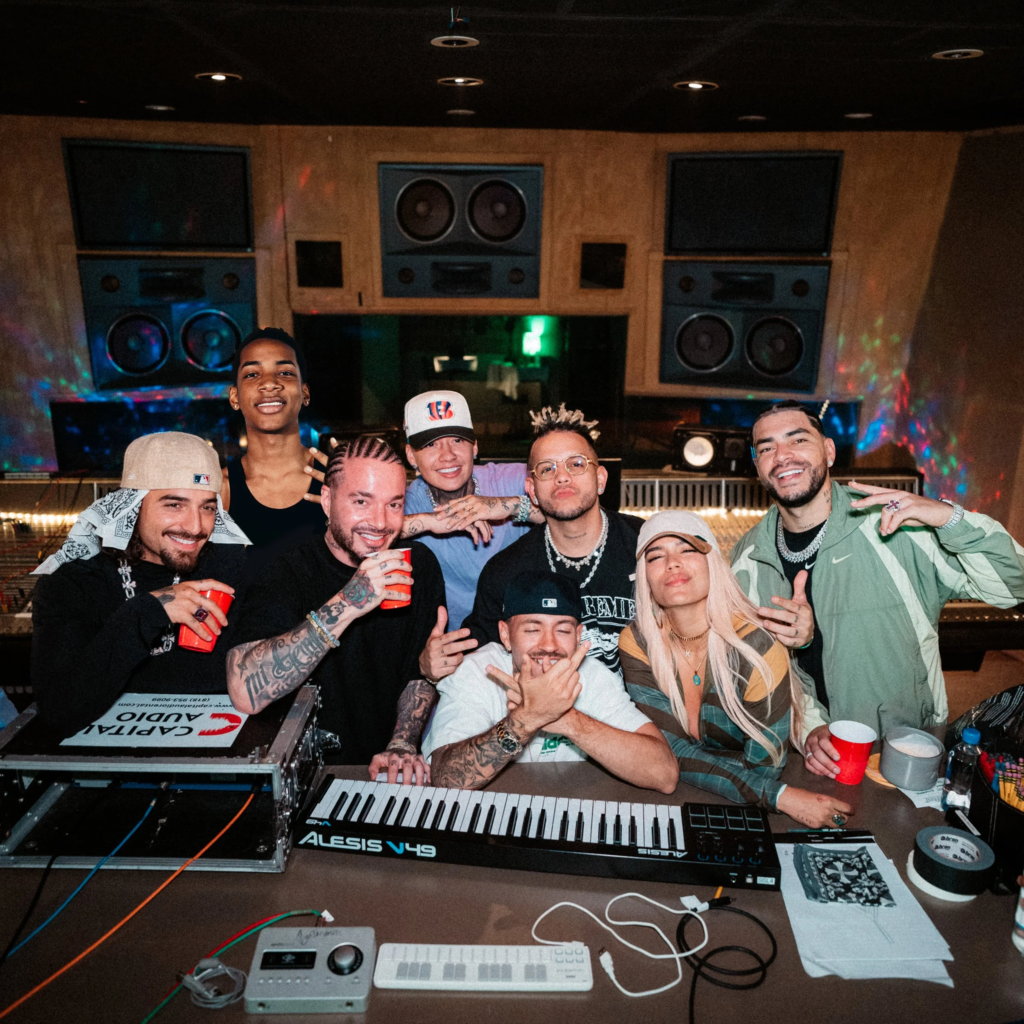
In the age of streaming, Bogotá’s hip-hop has expanded far beyond the city. Local rappers are now using YouTube, Spotify, and TikTok to connect with global audiences. Independent studios are springing up everywhere — recording mixtapes and collaborations that reach fans from Mexico to Spain.
Platforms like HiphopBogota.com play a huge role in documenting this growth. By spotlighting local artists, reviewing new releases, and archiving Bogotá’s musical evolution, you help preserve a movement that deserves global recognition.
Economic Empowerment Through Culture
Beyond the music, hip-hop has become an economic engine. Bogotá’s local fashion, film, and art industries have drawn inspiration from hip-hop aesthetics — baggy streetwear, graffiti-inspired visuals, and Afro-Latin influences.
Young entrepreneurs are launching clothing lines, recording labels, and creative agencies — proving that hip-hop isn’t just culture, it’s commerce.
Hip-hop-based events also drive tourism. International travelers now come to Bogotá specifically for the Hip Hop al Parque festival, graffiti tours, and underground rap battles. What was once underground is now a cornerstone of Bogotá’s creative economy.
Challenges Still in the Mix
Of course, it’s not all smooth. Many artists still face barriers like lack of funding, limited exposure, and institutional neglect. Despite hip-hop’s massive influence, mainstream media in Colombia often overlooks the movement’s depth and contribution.
But Bogotá’s artists are resilient. Through independent labels, social media, and community radio, they continue to rise — proving that true hip-hop doesn’t wait for validation; it creates its own stage.
The Soul of the City
At its core, Bogotá’s hip-hop culture is about identity. It’s about saying: “We are here, we exist, and our stories matter.”
Whether through a verse, a dance, or a spray-painted wall, hip-hop allows the city’s youth to reclaim spaces, rewrite narratives, and redefine what it means to be Colombian.
It’s not just music — it’s movement. It’s how Bogotá breathes, speaks, and heals.
Conclusion: The Future Sounds Like Us
As hip-hop continues to evolve, Bogotá stands at the heart of Latin America’s new creative revolution. The future isn’t just in beats — it’s in voices. In connection. In culture.
From the neighborhoods to the national stage, Bogotá’s hip-hop has proven that rhythm can build bridges, lyrics can break barriers, and a community’s collective energy can inspire the world.
So the next time you hear that steady boom-bap echo through the city — remember: it’s not just music.
It’s Bogotá’s heartbeat.
About the Author