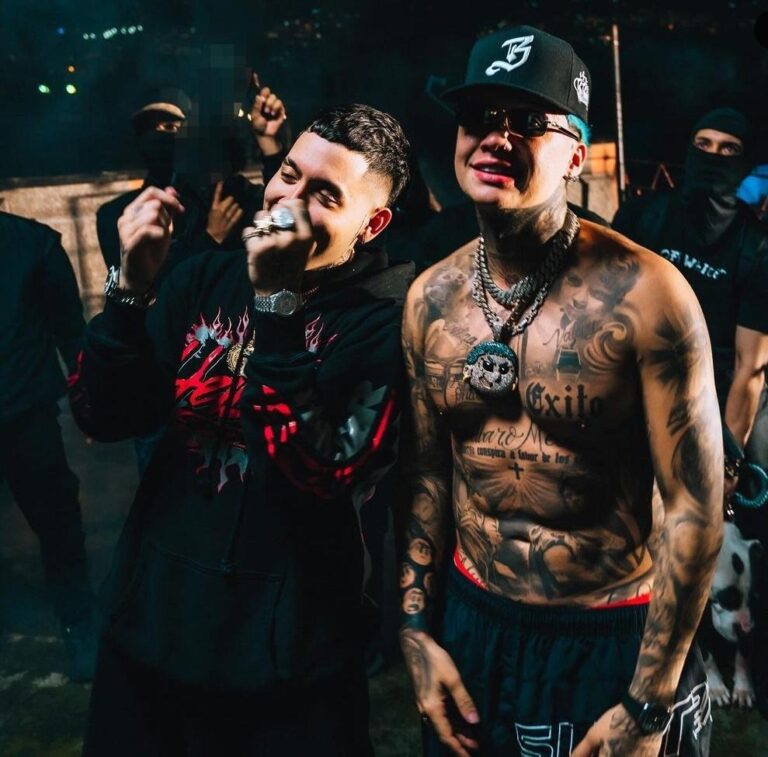
If the FMS World Series represented the global spotlight, the second half of December in Colombia belonged to the underground. Away from arenas and international cameras, hip-hop returned to its rawest form — cyphers, park sessions, small venues, and late-night freestyles that carried the culture into year’s end.

Across Bogotá, Medellín, Cali, and smaller cities, December became a month of pen sharpening, community gathering, and quiet momentum building. No major promo runs. No industry pressure. Just MCs, beats, and voices echoing through streets that have always shaped Colombian rap
Bogotá: Parks, Cyphers, and End-of-Year Reflection
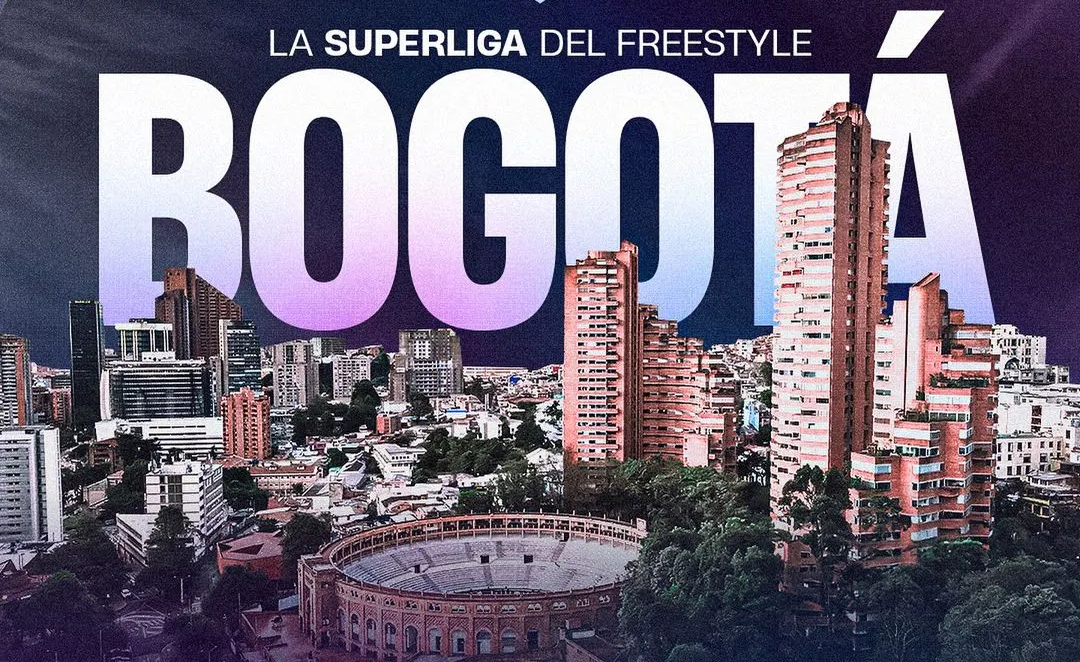
In Bogotá, December nights saw familiar hip-hop meeting points come alive. Parks and cultural spaces hosted informal freestyle circles, many of them organized organically through word of mouth and social media stories.
These weren’t competitions for trophies. They were spaces for:
- Testing new verses
- Revisiting old styles
- Paying homage to fallen friends and pioneers
- Letting the year breathe through bars
Boom-bap dominated many sessions, but trap and drill influences were present, showing how Colombian hip-hop continues to evolve without abandoning its roots. MCs spoke openly about economic pressure, street survival, family responsibility, and hope, themes that resonate deeply at the end of the year.
December’s energy in Bogotá felt introspective — rappers weren’t trying to outshine each other, they were trying to say something that mattered.
Medellín: From SoundCloud Drops to Street Performances
While Medellín is often associated with mainstream urban sounds, December reminded listeners that the city’s hip-hop foundation is still strong. Independent rappers used the final weeks of the year to release low-key EPs, loosies, and SoundCloud exclusives, often accompanied by raw street visuals.
Small performances popped up in cultural centers and community spaces, blending rap with spoken word and experimental production. These events didn’t chase numbers — they built local loyalty, something Colombian hip-hop has always valued more than viral moments.
For many Medellín artists, December wasn’t about closing the year big. It was about planting seeds for January.
Cali and the Power of Regional Voices
In Cali, December sessions carried a different rhythm. Afro-Colombian identity and Pacific Coast influence were present in flows, beats, and delivery. Freestyle cyphers often merged with dance, percussion, and storytelling, reminding everyone that Colombian hip-hop is not one sound — it’s many histories speaking at once.
Younger MCs took advantage of December’s relaxed atmosphere to step into circles usually dominated by veterans. That exchange between generations is what keeps the scene alive, and December provided the perfect environment for it.
No Headlines, Just Consistency
What made this phase of December important wasn’t visibility — it was continuity.
While global audiences often measure hip-hop by releases and charts, Colombia’s scene measures success by:
- How often artists show up
- How strong the cyphers remain
- Whether younger voices are being welcomed
December passed that test.
No matter how quiet the industry calendar looked, the streets were active. Freestyles were recorded on phones. Beats were exchanged over WhatsApp. Collaborations were planned for the new year. Hip-hop didn’t stop — it simply moved under the radar, where it’s always been strongest.
Closing December, Opening the Next Chapter
As the year ended, Colombian hip-hop stood grounded and patient. The culture didn’t rush December. It used it.
From Bogotá’s reflective cyphers to Medellín’s underground drops and Cali’s rhythm-heavy sessions, the final weeks of the year proved that Colombian hip-hop doesn’t need constant spotlight to survive. It thrives on community, pen work, and presence.
December wasn’t loud — it was honest. And that honesty is exactly what sets the tone for what comes next.
About the Author