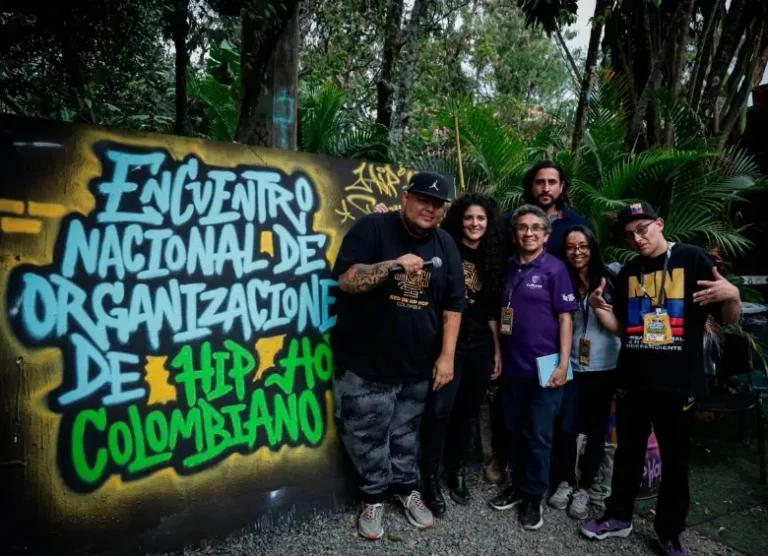

Colombia’s hip-hop scene is a vibrant and dynamic landscape, defined by two powerful currents: trap and conscious rap. These styles may seem distinct at first glance, but together they represent the heartbeat of a nation that has always used music as both expression and survival. Each offers a lens into urban life, telling stories of struggle, ambition, culture, and identity, and together they showcase the evolution of Colombian hip-hop from underground streets to a global stage.
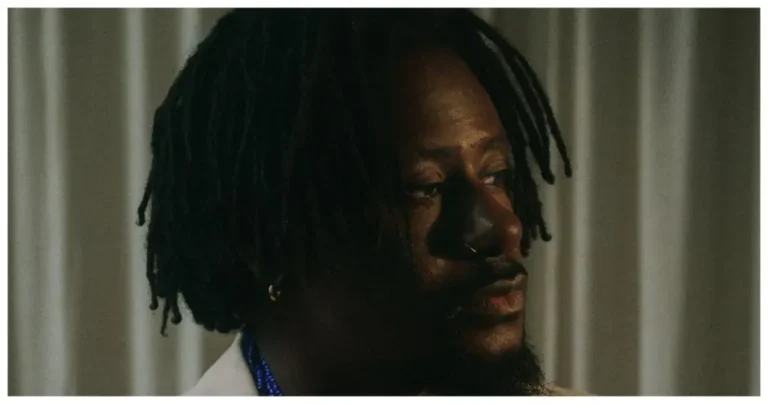
Trap in Colombia embodies the raw energy of urban youth. It is fast-paced, aggressive, and unapologetically bold, carrying the sounds of global trap while infusing a distinct Colombian flavor. The lyrics are written in Spanish and peppered with local slang, reflecting the rhythms, experiences, and struggles of life in cities like Medellín, Bogotá, and Cali. Trap is more than music; it’s a reflection of the streets, of ambition, and of survival in a world that is often unforgiving. Artists like N Hardem have become the torchbearers for this movement, creating music that resonates not just because of its beats, but because of its authenticity. Their songs speak to late nights, aspirations, the hustle, and the harsh realities of life, all while keeping a distinctly Colombian sound that sets them apart on the global stage.
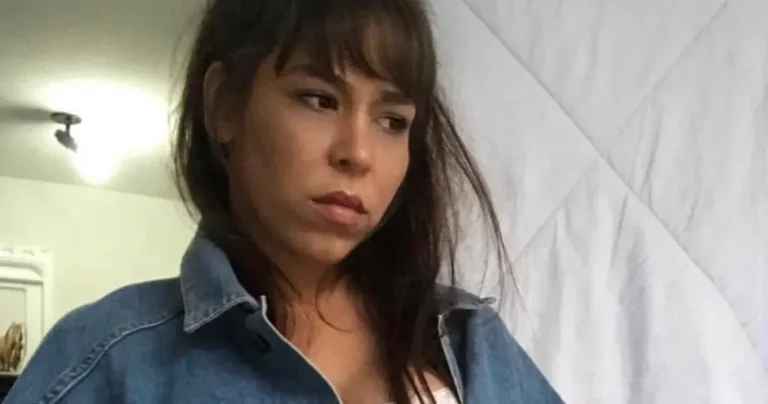
In contrast, conscious rap focuses on reflection, storytelling, and social commentary. Bogotá, in particular, has become the hub for this genre, where MCs craft lyrics that grapple with social issues, personal growth, and identity. The music addresses challenges such as poverty, inequality, systemic injustice, and the marginalization of Afro-Colombian and indigenous communities. It also explores inner struggles like mental health and personal development, proving that Colombian hip-hop is not limited to street bravado, but encompasses thoughtful, introspective, and culturally grounded artistry. Artists like Ali A.K.A Mind exemplify this approach, using rap as a platform to educate, inspire, and raise awareness about the realities that shape Colombian society. Female MCs emerging from Bogotá add another vital layer, challenging traditional gender roles and redefining what it means to be an artist in a male-dominated space.
What is striking about Colombian hip-hop is how trap and conscious rap coexist and complement one another. While trap electrifies listeners with its raw energy, conscious rap invites reflection and thought. The two currents often overlap, with artists experimenting with fusion tracks that combine catchy, high-energy beats with meaningful, socially aware lyrics. This balance ensures that Colombian hip-hop is not one-dimensional; it is a multifaceted culture capable of entertaining, provoking, and inspiring simultaneously.
Colombia’s hip-hop is also deeply rooted in cultural identity. Afro-Colombian communities, particularly along the Pacific coast, have contributed rhythms, percussion, and storytelling traditions that enrich both trap and conscious rap. The result is music that feels authentic, locally grounded, and globally resonant. Even as new generations of artists experiment with drill, trap, and Latin-influenced rhythms, the essence of Colombian hip-hop remains tied to community, struggle, and expression.
This duality of trap and conscious rap has allowed Colombian hip-hop to gain international recognition. Streaming platforms and social media have enabled artists to bypass traditional gatekeepers, allowing music from Medellín bedrooms and Bogotá studios to reach listeners in the U.S., Europe, and beyond. The global audience now recognizes Colombia as more than just a country with beautiful landscapes; it is a place where hip-hop thrives, evolves, and innovates with a voice that is uniquely its own.
In essence, Colombian hip-hop is more than a genre. It is a mirror reflecting the realities of a nation — its hardships, creativity, cultural richness, and resilience. Trap offers energy, rebellion, and a modern pulse, while conscious rap offers depth, reflection, and a connection to history and identity. Together, they form a musical ecosystem that is dynamic, vibrant, and continually evolving. Listening to Colombian hip-hop is not just entertainment; it is a journey into the streets, hearts, and minds of those who create it.
For anyone exploring global hip-hop, understanding the interplay between trap and conscious rap in Colombia is essential. It is a testament to the nation’s creativity and adaptability, a reminder that music can be both visceral and profound, both local and global. Colombian hip-hop is alive, authentic, and endlessly fascinating, proving that the voices of its artists, whether shouting from the streets or reflecting in quiet studios, are powerful enough to resonate worldwide.
About the Author