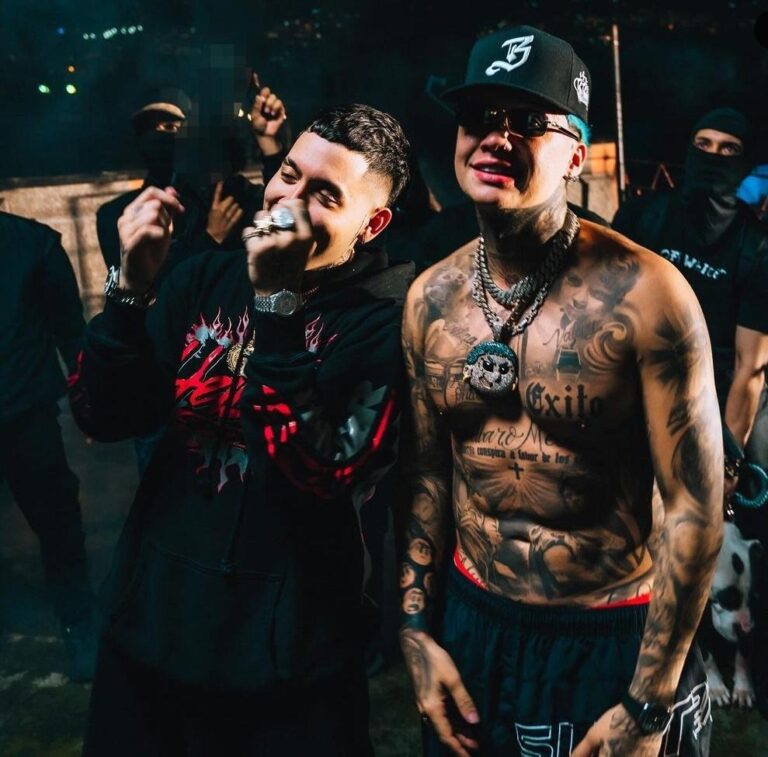
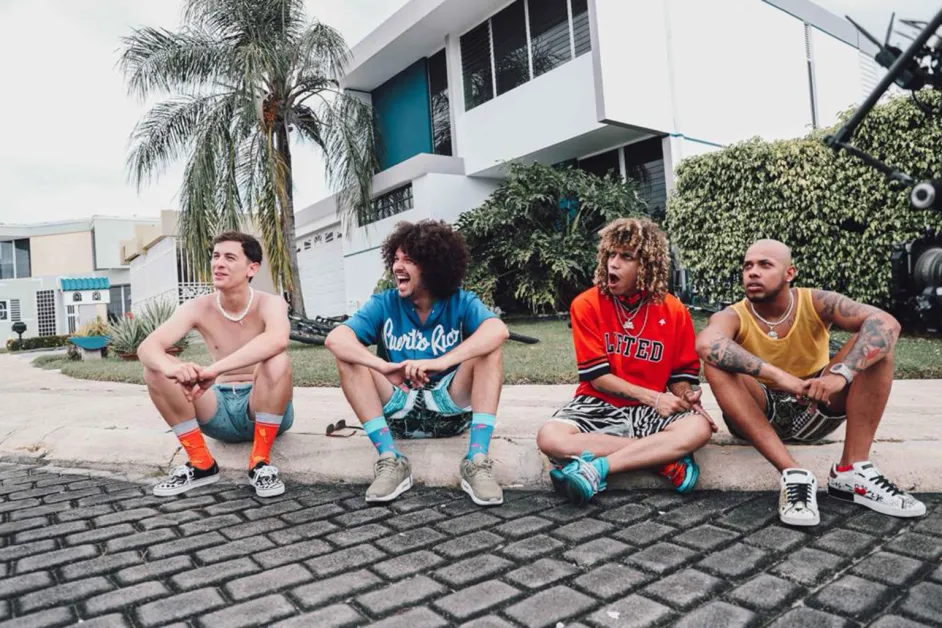
Cartagena is known around the world for its walls, its beaches, and its colonial beauty—but beneath all that postcard perfection lies a powerful underground hip-hop movement rising from the city’s Afro-Caribbean neighborhoods. This season, Cartagena isn’t just shining for its tourism. It’s shining because young rappers are reclaiming identity, honoring ancestors, and injecting raw truth into the city’s music scene.
Week 2 of our Colombia hip-hop journey takes us inside Cartagena’s growing rap circuits. The vibe is different here—sun-soaked but serious, spiritual but street. The movement feels like a cultural revival that’s breathing new life into the city’s youth.
The Sound of Cartagena: Drums, Heart, and Heritage
Cartagena’s hip-hop sound is rooted in its African heritage. Much like Barranquilla, the city is influenced by champeta, but Cartagena’s sound leans deeper into ancestral percussion—the drums of Palenque, traditional chants, and rhythms carried down through generations.
Producers are merging these traditional sounds with hip-hop drums, heavy basslines, and melodic samples. The result is music that feels like history talking through modern beats. Even the most modern trap tracks carry echoes of African roots.
Cartagena rappers aren’t just chasing trends—they’re telling stories of identity, struggle, and cultural pride.
Artists Leading the Cartagena Revival
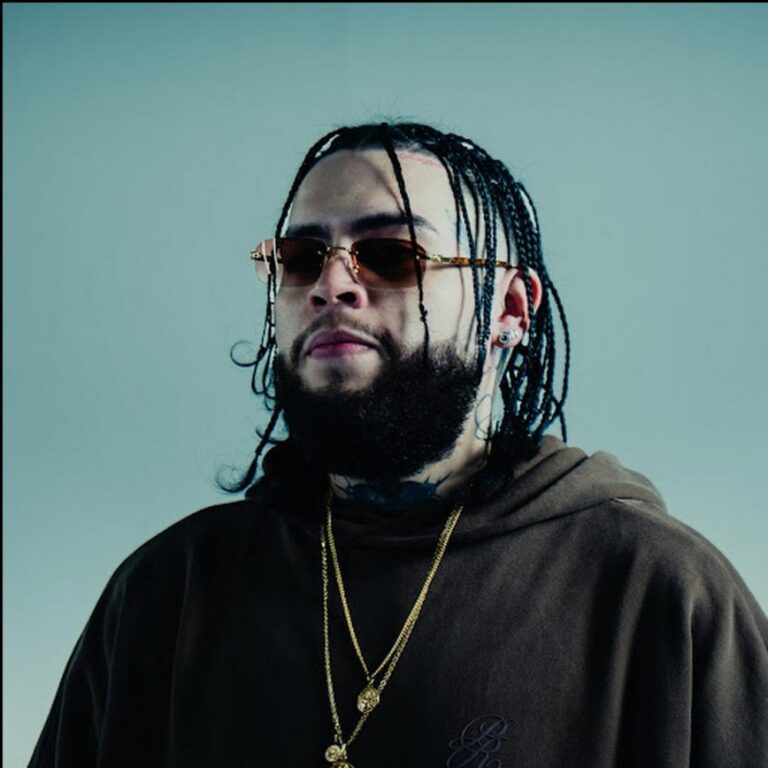
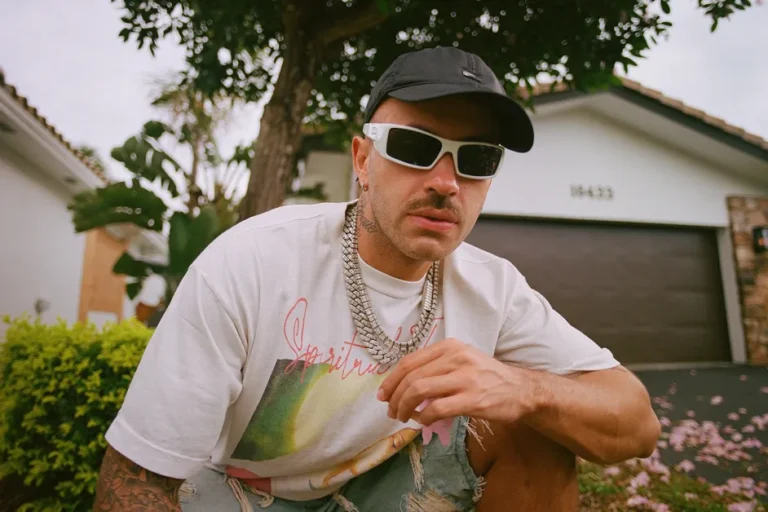
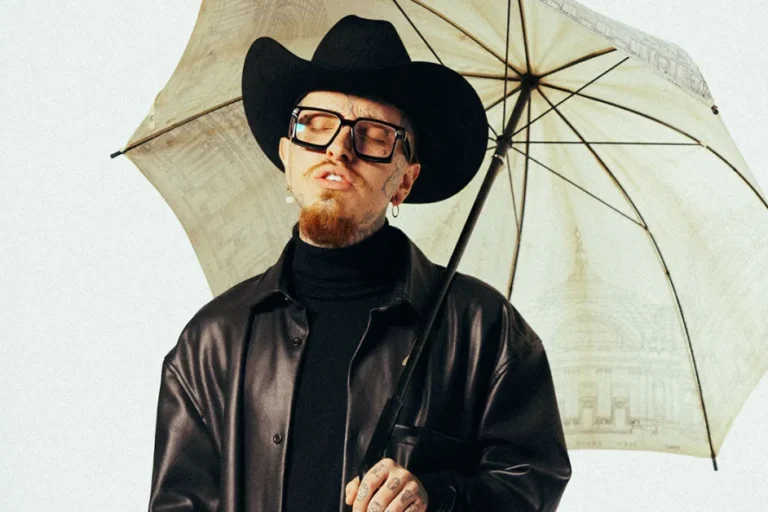
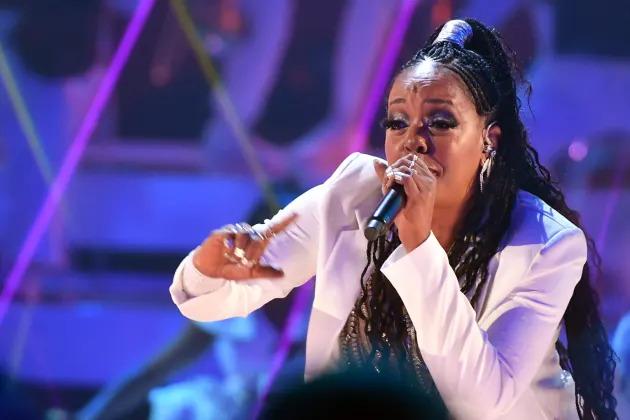
This week, we spotlight three artists whose voices are shaping the city’s identity in Colombia’s hip-hop landscape.
El Heredero Afro
A rapper with a deep, commanding voice, El Heredero Afro mixes hip-hop with proud, powerful messages about Afro identity and social justice. His storytelling dives into history, modern injustice, and community empowerment. His live performances are spiritual—almost ritualistic.

Palenque Rose
A rising female rapper from an Afro-Indigenous background, she blends singing and rapping with ancestral melodies. Palenque Rose is becoming one of Cartagena’s most important voices for representation and cultural preservation. Her lyrics often reference ancestral lands, warrior women, and the fight to keep Afro-Colombian culture alive.
Luka del Puerto
Known for fusing hip-hop with coastal guitar and electronic beats, Luka has become a favorite for younger audiences. His sound is more modern, blending trap, house, and Caribbean elements. But even in his modernity, he stays grounded in Cartagena’s culture.
Hip-Hop in Getsemaní: A Neighborhood Reclaiming Its Voice
Getsemaní used to be Cartagena’s cultural heartbeat before tourism reshaped it. But recently, young artists have begun using its plazas again for freestyle nights, street shows, and breakdance battles.
This week’s standout event was the Plaza de la Trinidad Hip-Hop Showcase, where MCs performed live sets surrounded by dancers, percussionists, and graffiti artists painting massive murals. The audience was a mix of locals and tourists—proof that Cartagena’s hip-hop is reaching wider ears.
The atmosphere was raw but celebratory. MCs rapped about everything from police harassment to community pride, switching between Caribbean slang and Spanish with ease.
The Influence of Palenque: Ancestral Fire in the Flow
San Basilio de Palenque, the famous Afro-Colombian village near Cartagena, has influenced the city’s sound deeply. Many of Cartagena’s rappers either come from Palenque families or grew up visiting the area.
This cultural connection adds a deep spiritual layer to the music. You hear it in the chants, the drums, the storytelling traditions. Hip-hop in Cartagena isn’t just urban music—it’s a continuation of ancestral oral culture.
This week, a group of Palenque percussionists joined a Cartagena cypher, creating a moment that felt like history merging with modern street culture.
Why Cartagena’s Revival Matters
Cartagena’s hip-hop revival is important not just for the city, but for Colombia. It shows that hip-hop can carry cultural heritage while sounding fresh and modern.
Here’s why Cartagena is becoming a hip-hop force:
1. Afro-Colombian roots give the music depth and authenticity.
You feel the heritage in every drum, chant, and verse.
2. Youth are using hip-hop as a tool for identity and empowerment.
The movement is healing and unifying.
3. The fusion of traditional and modern sounds is unique in the country.
Cartagena music stands out instantly.
4. The street culture is vibrant.
From plazas to beaches, hip-hop is alive everywhere.
5. Visual art, dance, and music intersect seamlessly.
Cartagena’s artistic expression feels holistic and community-driven.
Looking Ahead
With Cartagena stepping into the spotlight, the Caribbean coast continues to shape Colombia’s hip-hop future. Whether it’s Palenque drums, bold Afro-Colombian voices, or the energy of Getsemaní, the city is crafting a bold identity that’s rooted in history and aimed toward the future.
Next, we move inland to explore the hip-hop movement rising in Pereira and Manizales—two cities turning coffee-region culture into rap expression.
About the Author