 kofit36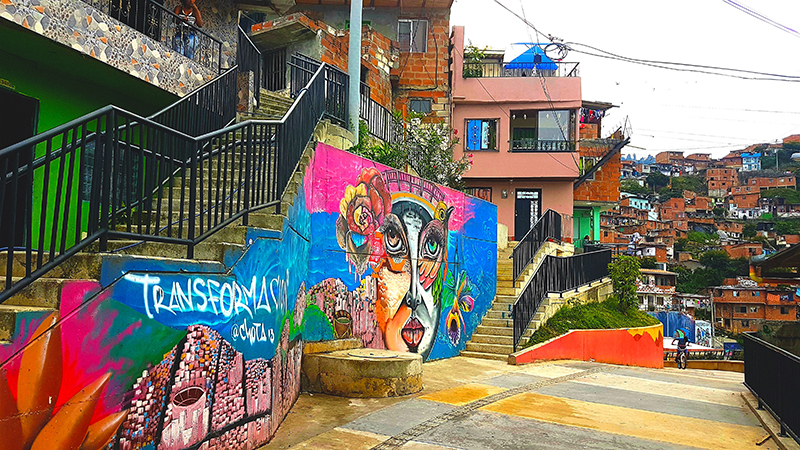
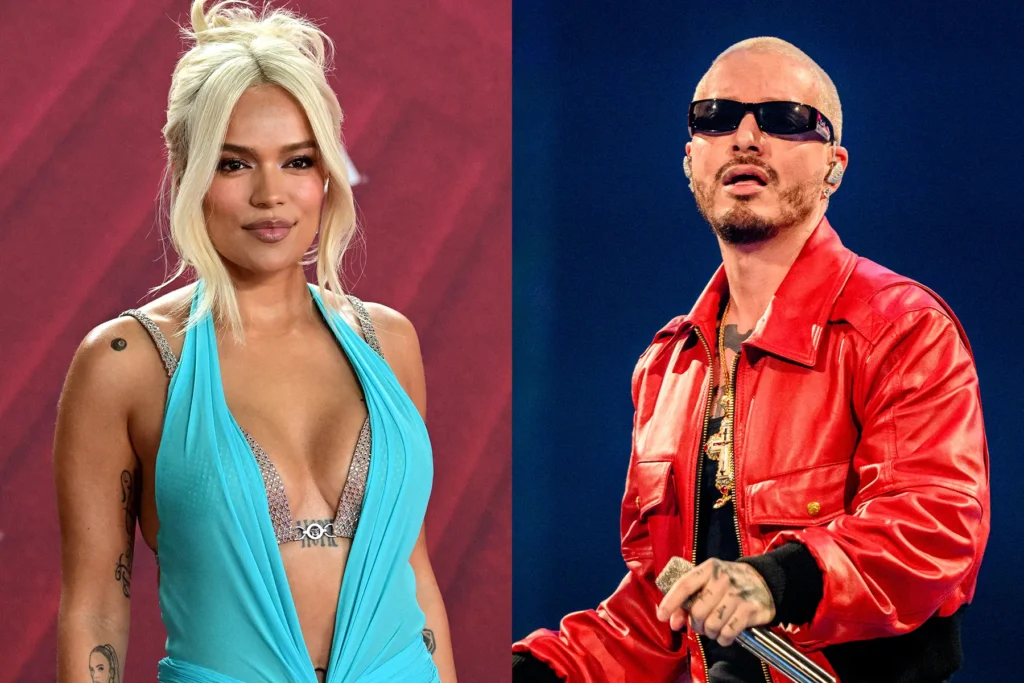
Colombia’s hip-hop and reggaeton community is in the middle of a storm after a court ruling declared that the track “+57” by Karol G and J Balvin violated the rights of children, citing the song’s sexualized content and imagery. The decision has reignited the debate over artistic freedom, social responsibility, and how far musicians can go in expressing Colombia’s urban culture.
The Controversy
The track “+57” — titled after Colombia’s country code — was released earlier this year and immediately caught attention for its bold lyrics and sensual video. The court’s main argument centered on the claim that the song’s explicit visuals and sexual themes could influence minors negatively when streamed on open digital platforms like YouTube and TikTok.
According to reports, the ruling requires the song’s official video to be age-restricted and calls on Colombia’s communications authority to enforce stronger content labeling for sexually explicit music. Fans and critics alike are split: some view it as an act of protection, others as state overreach into creative expression.
Art or Offense?
Karol G and J Balvin, both Medellín natives and global icons, represent Colombia’s most successful musical exports. Their collaboration was meant to celebrate national pride — “+57” as a symbol of unity through sound. Yet the court’s interpretation frames it as a moral concern.

Supporters of the ruling argue that urban music has grown increasingly explicit and that popular artists have a social responsibility given their massive young audiences. On the flip side, industry insiders and fans are calling it a dangerous precedent that could limit creative freedom for hip-hop, reggaeton, and Latin trap artists in Colombia.
The Hip-Hop Community Reacts
Across Medellín and Bogotá, hip-hop collectives and urban artists are speaking out. Underground MCs like Ali A.K.A. Mind, Nanpa Básico, and independent producers from Comuna 13 have voiced concern that censorship could spill over into socially conscious rap, where lyrics often explore violence, poverty, and sexuality through raw honesty.
“This isn’t about Karol G or Balvin alone,” said one Bogotá rapper in a recent interview. “If they can censor them, they can censor any of us who speak about what’s real.”
Others, however, see a chance for introspection — urging artists to consider how representation, especially of women and youth, shapes hip-hop’s evolving identity in Colombia.
Freedom vs. Responsibility
This controversy echoes a broader global tension: should hip-hop artists be held accountable for the messages they send, or should listeners be trusted to interpret art on their own terms? In Colombia, where hip-hop and reggaeton often intertwine with themes of liberation and rebellion, the answer isn’t clear-cut.
Karol G, who’s been an outspoken advocate for women’s empowerment in music, has not issued a formal response, but insiders close to her team suggest she’s “frustrated yet unfazed,” seeing it as part of the price of artistic honesty.
J Balvin, known for pushing boundaries with colorful yet controversial visuals, reportedly plans to appeal the decision through his label’s legal team.
What It Means for Colombian Hip-Hop
This isn’t just about a single song — it’s about the future of urban art in a country where hip-hop has long been a voice of resistance. If courts begin deciding what’s acceptable content, underground and socially charged rap could face tighter scrutiny.
Yet, ironically, such rulings often amplify the very message they try to suppress. Since the court’s announcement, “+57” streams have spiked on Spotify and YouTube, with many fans rushing to hear the “banned” track themselves.
As Medellín continues to brand itself as a global capital of music, the tension between authentic expression and social accountability will define its next chapter.
Final Word
Whether you see it as censorship or protection, the “+57” case is a landmark moment for Colombian hip-hop and reggaeton. It challenges artists to think deeper about their lyrics and visuals — without losing the rebellious spirit that made the genre thrive in the first place.
In a culture built on rhythm, rebellion, and resilience, one thing is certain: Colombian hip-hop won’t be silenced.

 hiphopbogota hiphopbogota