By Eli Jesse
Hip-hop in Bogotá has never been just about music.
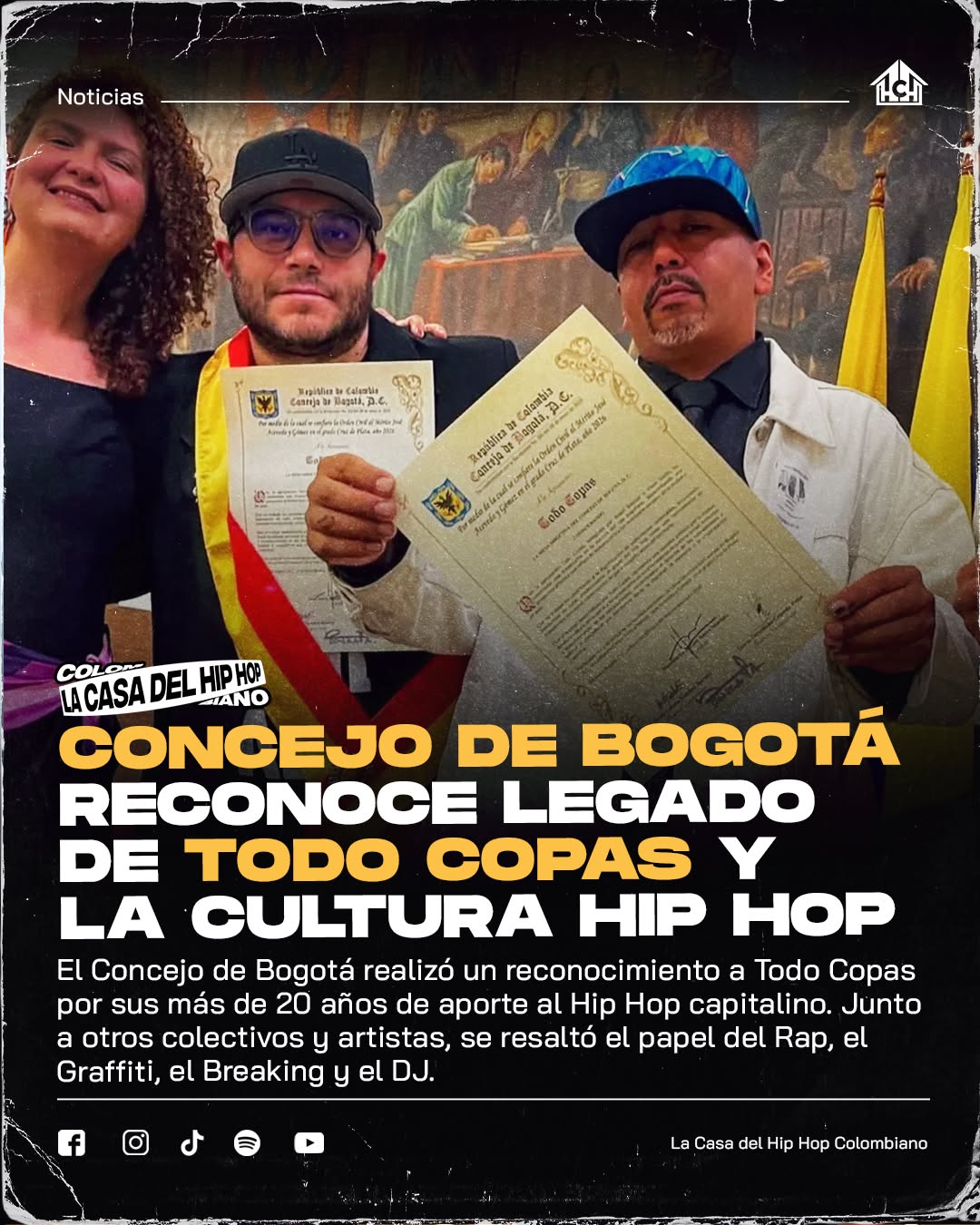
While Colombia’s capital is known for producing talented rappers, freestyle champions, DJs, and graffiti artists, the city’s hip-hop culture has also developed a reputation for community activism and youth empowerment. Across Bogotá, artists, educators, and cultural organizations continue using hip-hop as a tool to address social issues, provide opportunities for young people, and strengthen communities.
In 2026, that tradition remains stronger than ever.
From government-supported cultural programs to grassroots workshops operating in local neighborhoods, hip-hop continues serving as a platform for education, expression, and social development.
Hip Hop al Parque: More Than a Festival
One of the most visible examples is Hip Hop al Parque.
Although internationally recognized for its live performances, the festival has long functioned as more than a music event. Organized by Bogotá’s cultural institutions, Hip Hop al Parque regularly includes educational activities, panel discussions, community outreach programs, and opportunities for emerging artists.
The festival provides a platform where young performers can showcase their talents while learning from experienced artists and cultural leaders.
For many aspiring rappers, DJs, and dancers, participation represents a significant opportunity for personal and artistic development.
The event has helped establish Bogotá as one of Latin America’s most important centers for socially conscious hip-hop culture.
Rap Workshops Creating New Opportunities
Throughout Bogotá, community centers and cultural organizations continue hosting rap-writing and freestyle workshops for young people.
These programs often focus on helping participants develop communication skills, confidence, and creative expression. Rather than encouraging violence or negativity, many workshops teach youth how to transform personal experiences into constructive artistic messages.
In neighborhoods facing economic challenges, these initiatives provide alternatives that can help young people stay engaged in positive activities.
Participants learn songwriting, performance techniques, recording basics, and public speaking skills while building supportive social networks.
Many local artists volunteer their time as mentors, demonstrating hip-hop’s continued commitment to community development.
Graffiti Projects Revitalizing Public Spaces
Another important example comes from Bogotá’s internationally recognized graffiti culture.
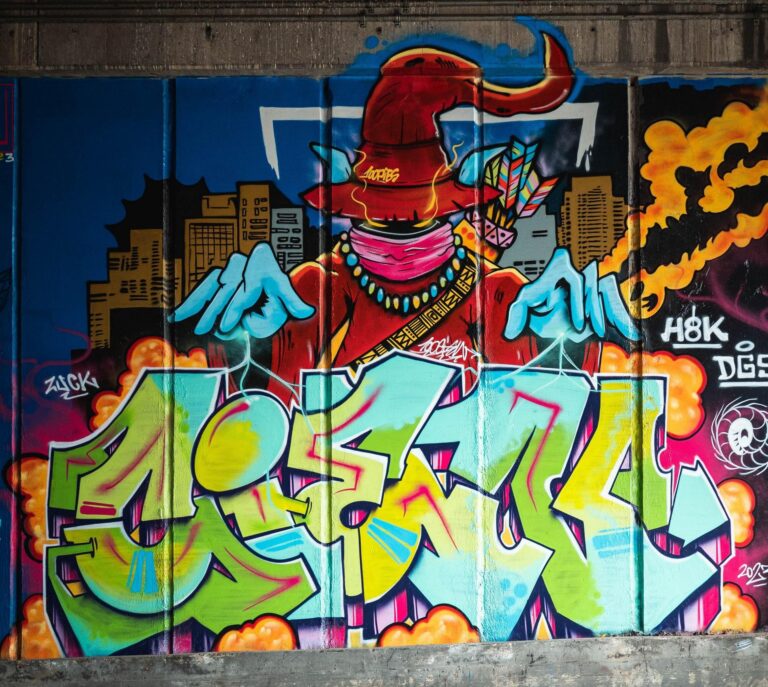
The city is famous for its large-scale murals and public art projects, many of which are connected to hip-hop culture. Community-driven graffiti initiatives have transformed walls throughout various neighborhoods into spaces that celebrate local identity, history, and social awareness.
These projects often involve collaboration between artists, residents, and community organizations.
Beyond creating visually striking artwork, they encourage civic engagement and neighborhood pride while providing young artists with opportunities to develop their skills legally and constructively.
In many cases, graffiti has become a tool for community storytelling rather than vandalism.
Hip-Hop and Youth Development
A major reason hip-hop remains influential in Bogotá is its ability to connect with young people.
Many youth programs use rap, breakdancing, DJing, and graffiti as educational tools because they naturally resonate with participants. These activities create environments where young people can build discipline, teamwork, and self-confidence.
Organizations throughout the city have found that cultural engagement often helps strengthen academic performance, improve communication skills, and encourage positive social interaction.
For many participants, hip-hop becomes an entry point into broader educational and professional opportunities.
The culture’s emphasis on creativity and self-expression allows individuals to explore their potential while remaining connected to their communities.
Freestyle Culture Encourages Critical Thinking
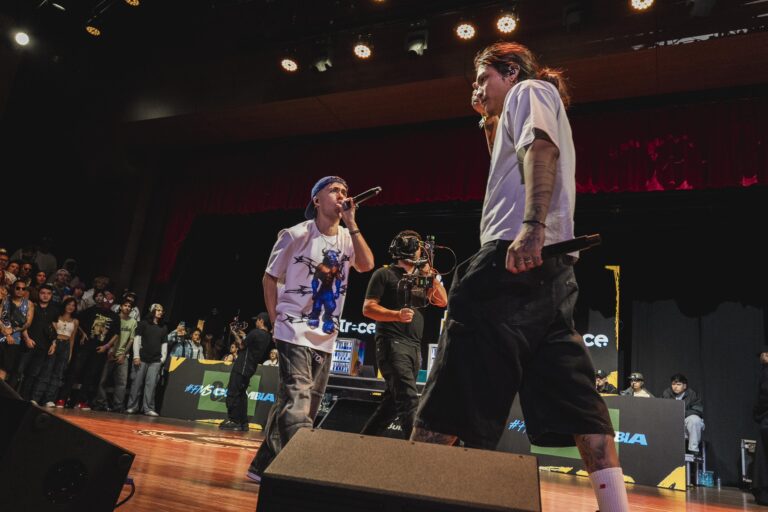
Bogotá’s thriving freestyle scene also contributes to youth development.
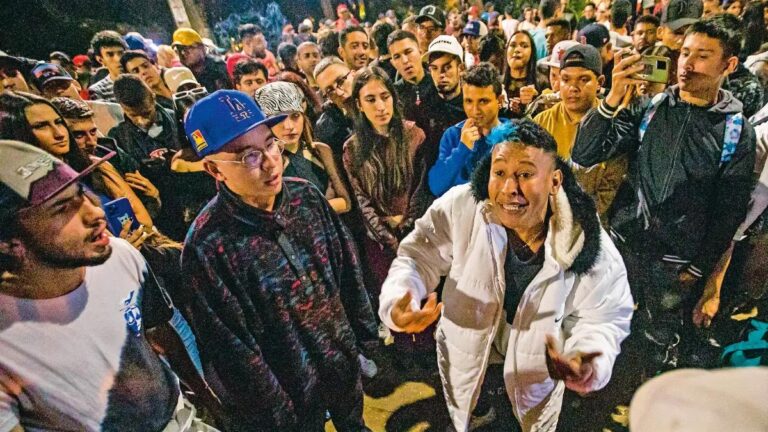
Freestyle competitions require participants to think quickly, communicate effectively, and respond creatively under pressure. These skills often translate into benefits beyond the stage.
Many educators and community leaders recognize freestyle rap as a form of intellectual and artistic exercise.
Young MCs develop vocabulary, confidence, and public speaking abilities while learning to express ideas respectfully and creatively.
As freestyle culture continues growing throughout Bogotá, its educational value is receiving increasing recognition.
Women Leading Community Initiatives
Women are also playing an increasingly important role within Bogotá’s hip-hop activism landscape.
Female artists, organizers, educators, and cultural leaders continue creating programs designed to support young people, promote inclusion, and expand opportunities within the culture.
Their contributions help ensure that hip-hop remains accessible to diverse communities while strengthening its impact as a tool for social change.
Many initiatives specifically focus on providing safe and supportive environments where young women can explore artistic expression and leadership opportunities.
Hip-Hop’s Lasting Impact
The continued success of these programs demonstrates why hip-hop remains relevant far beyond entertainment.
For decades, the culture has provided communities with tools for storytelling, education, empowerment, and activism. Bogotá’s experience shows how those principles can be adapted to address local challenges while creating opportunities for future generations.
Whether through festivals, workshops, graffiti projects, freestyle leagues, or youth programs, hip-hop continues making a meaningful difference in the lives of many residents.
Looking Ahead
As Bogotá’s hip-hop community continues evolving, its commitment to social impact remains one of its defining characteristics.
Artists and organizers understand that music alone is only part of the culture’s potential.
By investing in education, mentorship, creativity, and community engagement, Bogotá’s hip-hop movement continues proving that rap can change lives long after the music stops playing.
For many neighborhoods across the city, that impact may be hip-hop’s greatest achievement of all.
Slug: bogota-hip-hop-community-changing-lives-beyond-music
Tags: Bogotá Hip-Hop, Hip-Hop Activism, Colombian Rap, Hip Hop al Parque, Youth Development, Community Programs, Graffiti Culture, Social Activism, Colombian Hip-Hop, Rap Education
Keywords: Bogotá hip-hop, hip-hop activism Colombia, Hip Hop al Parque, youth workshops Bogotá, Colombian rap culture, social change through hip-hop, Bogotá graffiti culture, rap education Colombia, community hip-hop programs, Colombian hip-hop scene
About the Author